Buy aquamania.eu ?
We are moving the project
aquamania.eu .
Are you interested in purchasing the domain
aquamania.eu ?
domain@kv-gmbh.de · 0541-91531010
Buy aquamania.eu ?
Which metals dissolve in water?
Metals that are more reactive, such as alkali metals (e.g. sodium, potassium) and alkaline earth metals (e.g. calcium, magnesium), can react with water to form metal hydroxides and hydrogen gas. These metals can dissolve in water to varying degrees depending on their reactivity. However, less reactive metals such as gold, silver, and platinum do not dissolve in water under normal conditions. **
Which metals are ferrous metals?
Ferrous metals are metals that contain iron, such as steel and cast iron. These metals are known for their strength and durability, making them commonly used in construction, manufacturing, and automotive industries. Ferrous metals are also magnetic and have good conductivity, making them versatile for various applications. **
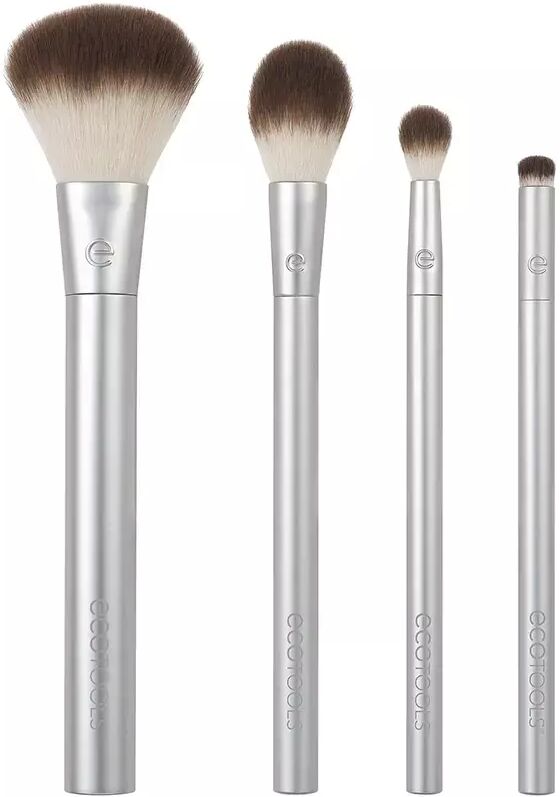
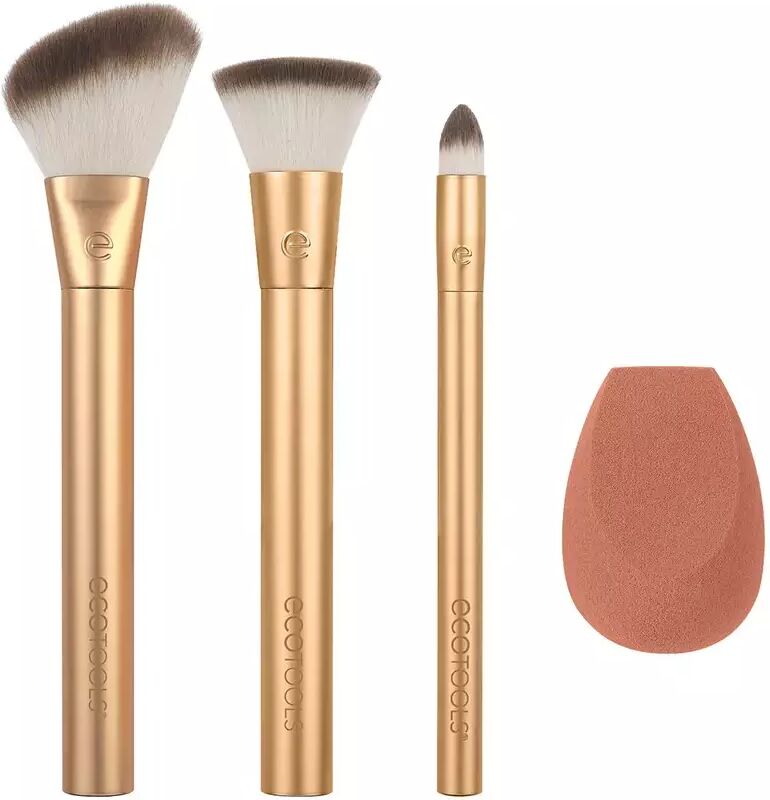
Similar search terms for EcoTools-Precopus-Metals-Cheek
Top-Angebote
Products related to EcoTools-Precopus-Metals-Cheek:
-
EcoTools Water Hydro Glow Brush Set 5 PiecesHealth and Beauty Brushes and Accessories EcoTools Water Hydro Glow Brush Set 5 Pieces Water Hydro Glow Makeup Brush Set includes 5 pieces. Lip Exfoliating Brush: Make circular movements with your lip balm or lip scrub to gently exfoliate your lips. Pointed Concealer Brush: Perfectly blends concealer. Undereye soother: apply gently with eye contour or serum to decongest the area. Mask applicator brush: Silicone applicator for facial masks to apply the product evenly. Total skin brush: Mix the products of your skincare routine with makeup for a natural finish.11,90 £*Shipping: 3,99 £Secure redirect to the provider
-
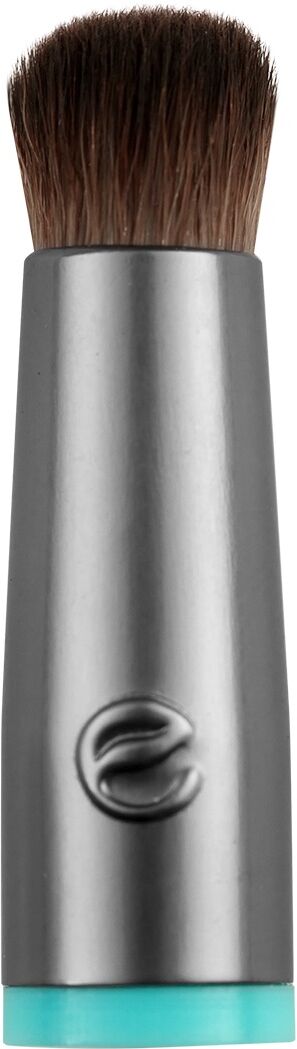
EcoTools Interchangeable Corrector HeadHealth and Beauty Brushes and Accessories EcoTools Interchangeable Corrector Head Head to apply Interchangeable concealer from Ecotools. The head for concealer of the Interchangeable line adjusts to the handle of the same line, allowing you to have different brushes with a single applicator handle. The concealer head is perfect for applying fluid products to the skin, leaving a natural and integrated look.4,24 £*Shipping: 3,99 £Secure redirect to the provider


-
Why can base metals precipitate noble metals?
Base metals can precipitate noble metals through a process called cementation. This occurs because base metals have a higher reactivity compared to noble metals. When a base metal is in contact with a solution containing a noble metal ion, the base metal will oxidize and release electrons, causing the noble metal ion to be reduced and form a solid precipitate on the surface of the base metal. This allows for the separation and recovery of noble metals from a solution containing a mixture of different metals. **
-
What are precious metals and base metals?
Precious metals are rare, naturally occurring metallic elements that have high economic value. Examples of precious metals include gold, silver, and platinum. These metals are often used in jewelry, investment, and industrial applications. On the other hand, base metals are more common metallic elements that are not as valuable as precious metals. Examples of base metals include copper, zinc, and nickel. These metals are widely used in construction, manufacturing, and electrical applications. **
-
Why are alkali metals called alkali metals?
Alkali metals are called alkali metals because they form alkaline solutions when they react with water. When alkali metals such as lithium, sodium, and potassium come into contact with water, they produce hydroxide ions, which make the solution alkaline. This property of forming alkaline solutions is the reason why they are called alkali metals. **
-
How do alkali metals react with water?
Alkali metals react vigorously with water, producing hydrogen gas and a metal hydroxide. The reaction becomes more vigorous as you move down the group, with lithium being the least reactive and francium being the most reactive. The reaction is exothermic, meaning it releases heat, and can even result in the metal catching fire or exploding. This is due to the highly exothermic nature of the reaction and the rapid production of hydrogen gas. **


Why are all elements of the transition metals metals?
All elements of the transition metals are metals because they share common characteristics such as being good conductors of heat and electricity, having high melting and boiling points, and being malleable and ductile. These properties are due to the presence of loosely held electrons in their outermost energy levels, which allows them to easily lose electrons and form positive ions. Transition metals also have a high density and luster, further contributing to their classification as metals. **
What is the reaction equation for alkaline earth metals and alkali metals with water and air?
The reaction equation for alkaline earth metals (such as calcium, magnesium) with water is as follows: 2M(s) + 2H2O(l) → 2M(OH)2(aq) + H2(g) The reaction equation for alkali metals (such as lithium, sodium) with water is: 2M(s) + 2H2O(l) → 2M(OH)(aq) + H2(g) When exposed to air, both alkaline earth metals and alkali metals react with oxygen to form oxides. The reaction equation for alkaline earth metals is: 2M(s) + O2(g) → 2MO(s) And for alkali metals: 4M(s) + O2(g) → 2M2O(s) **
Top-Angebote
Products related to EcoTools-Precopus-Metals-Cheek:
-
EcoTools Water Hydro Glow Brush Set 5 PiecesHealth and Beauty Brushes and Accessories EcoTools Water Hydro Glow Brush Set 5 Pieces Water Hydro Glow Makeup Brush Set includes 5 pieces. Lip Exfoliating Brush: Make circular movements with your lip balm or lip scrub to gently exfoliate your lips. Pointed Concealer Brush: Perfectly blends concealer. Undereye soother: apply gently with eye contour or serum to decongest the area. Mask applicator brush: Silicone applicator for facial masks to apply the product evenly. Total skin brush: Mix the products of your skincare routine with makeup for a natural finish.11,90 £*Shipping: 3,99 £Secure redirect to the provider
-
Which metals dissolve in water?
Metals that are more reactive, such as alkali metals (e.g. sodium, potassium) and alkaline earth metals (e.g. calcium, magnesium), can react with water to form metal hydroxides and hydrogen gas. These metals can dissolve in water to varying degrees depending on their reactivity. However, less reactive metals such as gold, silver, and platinum do not dissolve in water under normal conditions. **
-
Which metals are ferrous metals?
Ferrous metals are metals that contain iron, such as steel and cast iron. These metals are known for their strength and durability, making them commonly used in construction, manufacturing, and automotive industries. Ferrous metals are also magnetic and have good conductivity, making them versatile for various applications. **
-
Why can base metals precipitate noble metals?
Base metals can precipitate noble metals through a process called cementation. This occurs because base metals have a higher reactivity compared to noble metals. When a base metal is in contact with a solution containing a noble metal ion, the base metal will oxidize and release electrons, causing the noble metal ion to be reduced and form a solid precipitate on the surface of the base metal. This allows for the separation and recovery of noble metals from a solution containing a mixture of different metals. **
-
What are precious metals and base metals?
Precious metals are rare, naturally occurring metallic elements that have high economic value. Examples of precious metals include gold, silver, and platinum. These metals are often used in jewelry, investment, and industrial applications. On the other hand, base metals are more common metallic elements that are not as valuable as precious metals. Examples of base metals include copper, zinc, and nickel. These metals are widely used in construction, manufacturing, and electrical applications. **
Similar search terms for EcoTools-Precopus-Metals-Cheek
-
EcoTools Interchangeable Corrector HeadHealth and Beauty Brushes and Accessories EcoTools Interchangeable Corrector Head Head to apply Interchangeable concealer from Ecotools. The head for concealer of the Interchangeable line adjusts to the handle of the same line, allowing you to have different brushes with a single applicator handle. The concealer head is perfect for applying fluid products to the skin, leaving a natural and integrated look.4,24 £*Shipping: 3,99 £Secure redirect to the provider
-
EcoTools Single Jade RollerHealth and Beauty Accessories EcoTools Single Jade Roller The double-ended jade roller made with 100% pure jade. Slide the jade roller around the eyes and across the cheeks, neck, chin and forehead. Naturally refreshing and calming, personalize your routine by storing it in the refrigerator before use. Slide the jade roller around the eyes and across the cheeks, neck, chin and forehead. Perfect mini finish for small areas like the eyes. Designed to purify and can be used to apply under eye cream. After each use, rinse well and air dry.9,68 £*Shipping: 3,99 £Secure redirect to the provider
-
EcoTools Interchangeable Brushes 5 piecesHealth and Beauty Brushes and Accessories EcoTools Interchangeable Brushes 5 pieces EcoTools Interchangeables ™ Blush & Glow lets you create any makeup day and night like a pro. Set includes: foundation brush 1 beveled blush brush 1 face brush 1 box of brushes 1 box.9,68 £*Shipping: 3,99 £Secure redirect to the provider
-
Why are alkali metals called alkali metals?
Alkali metals are called alkali metals because they form alkaline solutions when they react with water. When alkali metals such as lithium, sodium, and potassium come into contact with water, they produce hydroxide ions, which make the solution alkaline. This property of forming alkaline solutions is the reason why they are called alkali metals. **
-
How do alkali metals react with water?
Alkali metals react vigorously with water, producing hydrogen gas and a metal hydroxide. The reaction becomes more vigorous as you move down the group, with lithium being the least reactive and francium being the most reactive. The reaction is exothermic, meaning it releases heat, and can even result in the metal catching fire or exploding. This is due to the highly exothermic nature of the reaction and the rapid production of hydrogen gas. **
-
Why are all elements of the transition metals metals?
All elements of the transition metals are metals because they share common characteristics such as being good conductors of heat and electricity, having high melting and boiling points, and being malleable and ductile. These properties are due to the presence of loosely held electrons in their outermost energy levels, which allows them to easily lose electrons and form positive ions. Transition metals also have a high density and luster, further contributing to their classification as metals. **
-
What is the reaction equation for alkaline earth metals and alkali metals with water and air?
The reaction equation for alkaline earth metals (such as calcium, magnesium) with water is as follows: 2M(s) + 2H2O(l) → 2M(OH)2(aq) + H2(g) The reaction equation for alkali metals (such as lithium, sodium) with water is: 2M(s) + 2H2O(l) → 2M(OH)(aq) + H2(g) When exposed to air, both alkaline earth metals and alkali metals react with oxygen to form oxides. The reaction equation for alkaline earth metals is: 2M(s) + O2(g) → 2MO(s) And for alkali metals: 4M(s) + O2(g) → 2M2O(s) **
* All prices are inclusive of VAT and, if applicable, plus shipping costs. The offer information is based on the details provided by the respective shop and is updated through automated processes. Real-time updates do not occur, so deviations can occur in individual cases. ** Note: Parts of this content were created by AI.