Buy aquamania.eu ?
We are moving the project
aquamania.eu .
Are you interested in purchasing the domain
aquamania.eu ?
domain@kv-gmbh.de · 0541-91531010
Buy aquamania.eu ?
What is the difference between patchwork and quilting?
Patchwork and quilting are related but distinct crafts. Patchwork involves sewing together small pieces of fabric to create a larger design or pattern, often using a variety of colors and prints. Quilting, on the other hand, refers to the process of layering the patchwork top with batting and a backing fabric, and then stitching through all the layers to create a finished quilt. In essence, patchwork is the design and piecing of the fabric, while quilting is the process of finishing the quilt with batting and stitching. **
Isn't patchwork and quilting somehow the same thing?
Patchwork and quilting are related but not the same thing. Patchwork refers to the technique of sewing together small pieces of fabric to create a larger design, while quilting refers to the process of stitching together the layers of a quilt to create a finished piece. Quilting often incorporates patchwork designs, but it can also include other techniques such as appliqué and embroidery. In summary, patchwork is a specific technique within quilting, but quilting encompasses a broader range of techniques and processes. **

Similar search terms for Felt-Right-Quilting-Star
Top-Angebote
Products related to Felt-Right-Quilting-Star:
-
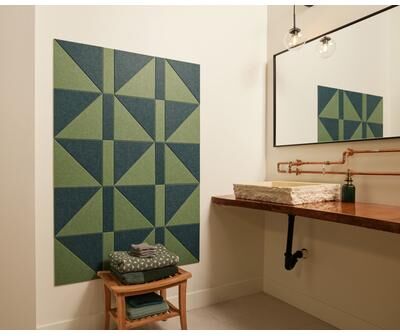
Felt Right Midtown Sound Dampening Pinnable TilesLooking to infuse your home with a modern aesthetic while retaining a city feel? The Midtown wall design is your perfect solution, bringing urban sophistication directly to you. Enjoy this preconfigured design in Ash, Cashmere, Ebony, and Mineral or...243,08 $*Shipping: 0,00 $Secure redirect to the provider


-
Should I wet felt or dry felt?
The decision to wet felt or dry felt depends on the specific project and the desired outcome. Wet felting involves using water, soap, and agitation to bind the fibers together, resulting in a smooth and dense fabric. It is ideal for creating flat pieces, such as scarves or wall hangings. Dry felting, on the other hand, uses needles to interlock the fibers, allowing for more intricate designs and three-dimensional shapes. It is better suited for creating sculptures, jewelry, or embellishments. Consider the type of project you want to create and the level of detail and texture you want to achieve when deciding whether to wet felt or dry felt. **
-
What do you do with the basting threads when hand quilting?
When hand quilting, the basting threads are removed once the quilting is complete. These temporary threads are used to hold the layers of the quilt together while the quilting stitches are being added. Once the quilting is finished, the basting threads are carefully snipped and removed from the quilt. This allows the quilt to be finished and the layers to be securely held together by the quilting stitches. **
-
How do you dive in the swimming pool?
To dive in a swimming pool, start by standing at the edge of the pool with your toes pointing towards the water. Take a deep breath, bend your knees, and push off with your feet, extending your arms above your head as you dive forward. Keep your body straight and streamlined as you enter the water, aiming to enter at a slight angle to avoid hitting the bottom of the pool. Practice proper diving technique to ensure a safe and smooth entry into the water. **
-
Which adhesive is suitable for gluing felt to felt?
A suitable adhesive for gluing felt to felt is a fabric or craft glue that is specifically designed for use with fabric materials. These types of adhesives are flexible, durable, and provide a strong bond between the felt pieces. It is important to ensure that the adhesive is non-toxic and dries clear to maintain the appearance of the felt. Additionally, following the manufacturer's instructions for application and drying times will help ensure a successful bond between the felt pieces. **


Which glue is suitable for gluing felt to felt?
A suitable glue for gluing felt to felt is a fabric or craft glue that is specifically designed for use with felt. These types of glues are formulated to provide a strong bond without causing the felt to become stiff or hard. Look for a glue that dries clear and is washable if needed. It's important to follow the manufacturer's instructions for application and drying times to ensure a secure and durable bond between the felt pieces. **
Do women also pee in the water at the swimming pool or beach?
Yes, women also pee in the water at swimming pools or beaches. While it may not be openly discussed, it is a common occurrence due to the inconvenience of leaving the water to use the restroom. However, it is important to note that peeing in the water can introduce bacteria and contaminants, affecting the water quality and potentially posing health risks to other swimmers. It is always best to use the restroom facilities provided. **
Top-Angebote
Products related to Felt-Right-Quilting-Star:
-
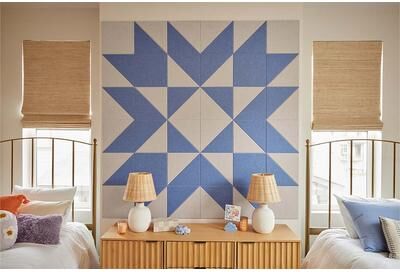
Felt Right Quilting Star Sound Dampening Pinnable TilesMeet your new favorite design wall. Inspired by an iconic quilting block, Felt Right’s Quilting Star design wall is a beautiful way to lay out your patterns and keep your fabric off the ground. Enjoy this preconfigured design in Fog and Periwinkle...287,36 $*Shipping: 0,00 $Secure redirect to the provider
-
Felt Right Small Quilting Star Sound Dampening Pinnable TilesMeet your new favorite design wall. Inspired by an iconic quilting block, Felt Right’s Quilting Star design wall is a beautiful way to lay out your patterns and keep your fabric off the ground. Enjoy this preconfigured design or customize it to fit...73,76 $*Shipping: 0,00 $Secure redirect to the provider
-
Felt Right Midtown Sound Dampening Pinnable TilesLooking to infuse your home with a modern aesthetic while retaining a city feel? The Midtown wall design is your perfect solution, bringing urban sophistication directly to you. Enjoy this preconfigured design in Ash, Cashmere, Ebony, and Mineral or...243,08 $*Shipping: 0,00 $Secure redirect to the provider
-
What is the difference between patchwork and quilting?
Patchwork and quilting are related but distinct crafts. Patchwork involves sewing together small pieces of fabric to create a larger design or pattern, often using a variety of colors and prints. Quilting, on the other hand, refers to the process of layering the patchwork top with batting and a backing fabric, and then stitching through all the layers to create a finished quilt. In essence, patchwork is the design and piecing of the fabric, while quilting is the process of finishing the quilt with batting and stitching. **
-
Isn't patchwork and quilting somehow the same thing?
Patchwork and quilting are related but not the same thing. Patchwork refers to the technique of sewing together small pieces of fabric to create a larger design, while quilting refers to the process of stitching together the layers of a quilt to create a finished piece. Quilting often incorporates patchwork designs, but it can also include other techniques such as appliqué and embroidery. In summary, patchwork is a specific technique within quilting, but quilting encompasses a broader range of techniques and processes. **
-
Should I wet felt or dry felt?
The decision to wet felt or dry felt depends on the specific project and the desired outcome. Wet felting involves using water, soap, and agitation to bind the fibers together, resulting in a smooth and dense fabric. It is ideal for creating flat pieces, such as scarves or wall hangings. Dry felting, on the other hand, uses needles to interlock the fibers, allowing for more intricate designs and three-dimensional shapes. It is better suited for creating sculptures, jewelry, or embellishments. Consider the type of project you want to create and the level of detail and texture you want to achieve when deciding whether to wet felt or dry felt. **
-
What do you do with the basting threads when hand quilting?
When hand quilting, the basting threads are removed once the quilting is complete. These temporary threads are used to hold the layers of the quilt together while the quilting stitches are being added. Once the quilting is finished, the basting threads are carefully snipped and removed from the quilt. This allows the quilt to be finished and the layers to be securely held together by the quilting stitches. **
Similar search terms for Felt-Right-Quilting-Star
-
How do you dive in the swimming pool?
To dive in a swimming pool, start by standing at the edge of the pool with your toes pointing towards the water. Take a deep breath, bend your knees, and push off with your feet, extending your arms above your head as you dive forward. Keep your body straight and streamlined as you enter the water, aiming to enter at a slight angle to avoid hitting the bottom of the pool. Practice proper diving technique to ensure a safe and smooth entry into the water. **
-
Which adhesive is suitable for gluing felt to felt?
A suitable adhesive for gluing felt to felt is a fabric or craft glue that is specifically designed for use with fabric materials. These types of adhesives are flexible, durable, and provide a strong bond between the felt pieces. It is important to ensure that the adhesive is non-toxic and dries clear to maintain the appearance of the felt. Additionally, following the manufacturer's instructions for application and drying times will help ensure a successful bond between the felt pieces. **
-
Which glue is suitable for gluing felt to felt?
A suitable glue for gluing felt to felt is a fabric or craft glue that is specifically designed for use with felt. These types of glues are formulated to provide a strong bond without causing the felt to become stiff or hard. Look for a glue that dries clear and is washable if needed. It's important to follow the manufacturer's instructions for application and drying times to ensure a secure and durable bond between the felt pieces. **
-
Do women also pee in the water at the swimming pool or beach?
Yes, women also pee in the water at swimming pools or beaches. While it may not be openly discussed, it is a common occurrence due to the inconvenience of leaving the water to use the restroom. However, it is important to note that peeing in the water can introduce bacteria and contaminants, affecting the water quality and potentially posing health risks to other swimmers. It is always best to use the restroom facilities provided. **
* All prices are inclusive of VAT and, if applicable, plus shipping costs. The offer information is based on the details provided by the respective shop and is updated through automated processes. Real-time updates do not occur, so deviations can occur in individual cases. ** Note: Parts of this content were created by AI.